
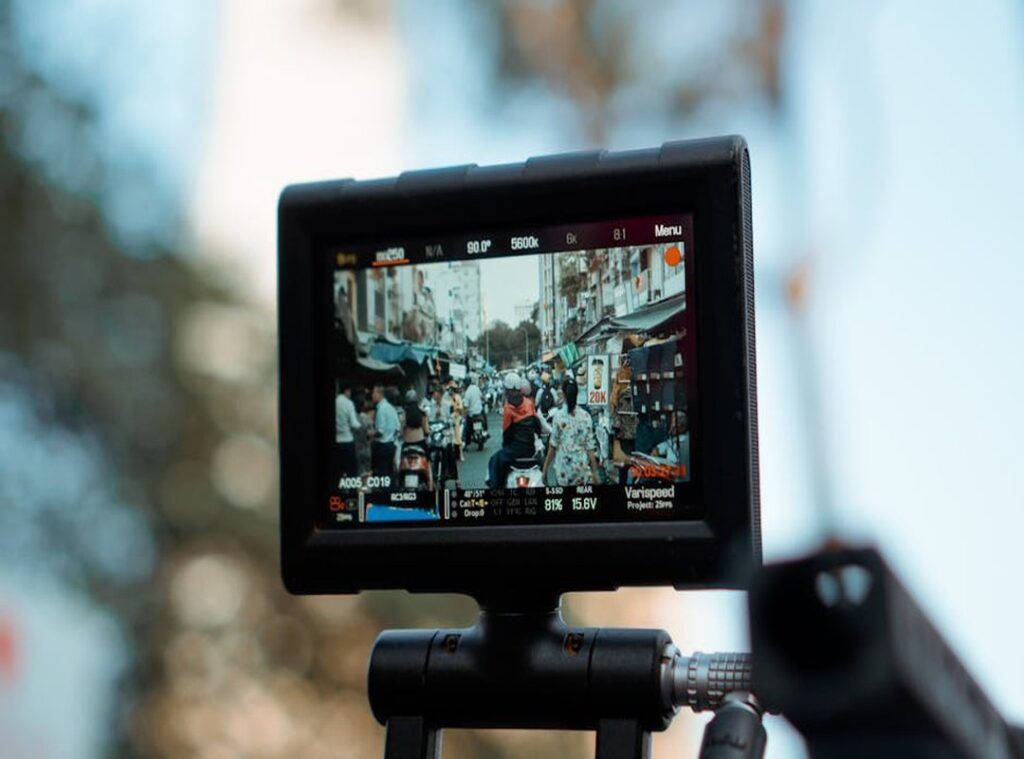
Live webcam streaming can be a bit of a wild ride. You might be wondering, where do I even start? There’s so much to consider—technology, platforms, and all those pesky security issues.
It’s overwhelming.
I get it. You want to make sure you’re using the best tools and techniques. And you definitely don’t want to end up with a suboptimal experience or, worse, a security breach.
This article is here to help. We’ll cover everything from the basics to the nitty-gritty details. Whether you’re streaming for fun or for business, you’ll find practical and actionable insights.
We know what we’re talking about. Our team has a deep understanding of the latest tech innovations and trends. So, let’s dive in and get you up and running with live webcam streaming. onScreen Cam4 is just one of the platforms we’ll explore.
Understanding Live Webcam Streaming
What is live webcam streaming? It’s broadcasting video in real-time over the internet. Simple, right?
But it’s a big deal.
Why? Because it lets you connect with people instantly, no matter where they are.
Key Components
Let’s break down what you need:
- Camera: You can use anything from a basic webcam to a high-end DSLR.
- Software: Tools like OBS (Open Broadcaster Software) or Streamlabs OBS.
- Internet Connectivity: A stable, fast connection is crucial.
Use Cases
Live streaming has a lot of uses, and here are a few:
- Personal Vlogging: Share your life and thoughts with an audience.
- Gaming: Platforms like onscreen cam4 and Twitch let gamers stream their gameplay.
- Professional Broadcasting: News and events can be streamed live.
- Remote Work: Virtual meetings and webinars keep teams connected.
Each use case has its own requirements. For example, gaming streams might need more bandwidth and specialized software, while remote work might focus more on ease of use and reliability.
Understanding these differences helps you choose the right setup for your needs.
Choosing the Right Equipment
Webcams: There are a ton of webcams out there. Some are basic, some are high-end. The key is to pick one that fits your needs.
CAPS: If you’re using it for professional meetings, go for something with at least 1080p resolution. Anything less might make you look blurry and unprofessional.
Microphones: Good audio is crucial, and bad audio can ruin a great video. Trust me, I’ve been in enough calls where I couldn’t hear a thing.
For most people, a USB microphone like the Blue Yeti or a simple lavalier mic will do the trick. They’re easy to set up and provide clear, crisp sound.
Lighting: Don’t skimp on lighting. It can make or break your video quality. Natural light is great, but not always possible.
Invest in a ring light or a softbox. These can help reduce shadows and give you a more professional look.
Pro tip: Position your light source in front of you, not behind. This way, you won’t end up as a silhouette.
What’s next, and you might be wondering about software. Once you have the right equipment, you’ll need to know how to use it.
ONSCREEN CAM4: Make sure to test everything before going live. A quick test run can save you from a lot of headaches.
Selecting the Best Software and Platforms
When it comes to streaming, choosing the right software is crucial. OBS Studio is a go-to for many, and it’s free, open-source, and packed with features.
But it can be a bit overwhelming for beginners.
Streamlabs is another popular choice. It’s user-friendly and offers a lot of customization options. Plus, it integrates well with various platforms, making it a solid pick for both new and experienced streamers.
Then there’s XSplit, which is known for its professional-grade tools. It’s not free, but if you’re serious about streaming, it might be worth the investment. The interface is clean, and it’s got some advanced features that can really elevate your stream.
Now, let’s talk platforms, and youTube is huge. It’s got a massive audience and great monetization options.
But it’s also very competitive, so building an audience takes time.
Twitch is all about live interaction. If you’re into gaming or other live content, Twitch is where it’s at. The community is active, and the platform is designed for real-time engagement.
Facebook Live is a bit different. It’s more casual and integrated with your existing social network. It’s great for reaching a broad audience, but the focus is less on live interaction and more on sharing moments.
Integrating your chosen software and platform is key. Make sure they work seamlessly together. For example, OBS Studio has built-in support for YouTube, Twitch, and Facebook Live.
This makes it easy to switch between platforms without any hassle.
Pro tip: Test your setup before going live. A smooth, glitch-free stream can make all the difference in keeping your viewers engaged.
Oh, and one more thing. If you’re using onscreen cam4, make sure it’s set up correctly. A good camera feed can add a personal touch and help you connect better with your audience.
Remember, the essential habits of successful entrepreneurs include staying adaptable and always looking for ways to improve. essential habits of successful entrepreneurs
Setting Up Your Live Stream
Before you hit that “Go Live” button, make sure everything is in place. Trust me, the last thing you want is to start your stream and realize something’s not working.
Pre-Stream Checklist:
- Check your internet connection. Make sure it’s stable and fast enough.
- Set up your camera and microphone. Test them to ensure they’re working properly.
- Arrange your lighting. Good lighting can make a huge difference in how your stream looks.
- Prepare your background. Keep it clean and professional.
- Have a backup plan. Know what to do if something goes wrong.
Configuration Settings:
Once your setup is ready, dive into your streaming software. Configure your settings for the best performance.
- Resolution: Set it to 720p or 1080p, depending on your internet speed.
- Bitrate: Adjust it based on your upload speed. Start with 3000 kbps for 1080p and 1500 kbps for 720p.
- Frame Rate: 30 fps is usually good, but you can go up to 60 fps if your hardware supports it.
Testing:
Never skip this step. Conduct a test stream to catch any issues. Use onscreen cam4 to monitor your video and audio quality.
- Test your stream privately. Most platforms have a feature for private testing.
- Watch the playback. Check for any lag, audio issues, or visual problems.
- Fix any issues. Tweak your settings as needed and retest until everything is perfect.
By following these steps, you’ll be set up for a smooth and professional live stream.
Best Practices for Live Streaming
Engagement is key. You need to be in the chat, responding to comments, and using interactive features. It’s not just about talking at your audience; it’s about talking with them.
Content Quality matters too, and make sure your stream is high-quality. That means good lighting, clear audio, and a clean background.
No one wants to watch a blurry, muffled mess.
Consistency is crucial. Set a regular streaming schedule and stick to it. Your viewers will know when to expect you, and that builds trust and loyalty.
Think of it like this: if you were a local Boise coffee shop, would you open at random times? No way. You’d have set hours, and your customers would know exactly when to find you.
Pro Tip: Use onscreen cam4 to add a personal touch. It lets your audience see your reactions and makes the experience more real and engaging.
Remember, live streaming is all about building a community. Treat your viewers like they’re part of something special, because they are.
Mastering Live Webcam Streaming
Choosing the right equipment, software, and platforms is crucial for a smooth and professional live streaming experience. These elements form the foundation of your setup, ensuring that your streams are high-quality and engaging.
Following the best practices and tips provided will help you achieve a successful and professional live streaming experience. This includes understanding your audience, testing your setup, and being consistent with your content.
Start experimenting with live streaming. Continuously refine your setup and content for the best results.
onscreen cam4 can be a great platform to explore, offering unique features and a supportive community.
 There is a specific skill involved in explaining something clearly — one that is completely separate from actually knowing the subject. Jonniette Goodrich has both. They has spent years working with entrepreneurship strategies in a hands-on capacity, and an equal amount of time figuring out how to translate that experience into writing that people with different backgrounds can actually absorb and use.
Jonniette tends to approach complex subjects — Entrepreneurship Strategies, Effective Marketing Techniques, Business Trends and Insights being good examples — by starting with what the reader already knows, then building outward from there rather than dropping them in the deep end. It sounds like a small thing. In practice it makes a significant difference in whether someone finishes the article or abandons it halfway through. They is also good at knowing when to stop — a surprisingly underrated skill. Some writers bury useful information under so many caveats and qualifications that the point disappears. Jonniette knows where the point is and gets there without too many detours.
The practical effect of all this is that people who read Jonniette's work tend to come away actually capable of doing something with it. Not just vaguely informed — actually capable. For a writer working in entrepreneurship strategies, that is probably the best possible outcome, and it's the standard Jonniette holds they's own work to.
There is a specific skill involved in explaining something clearly — one that is completely separate from actually knowing the subject. Jonniette Goodrich has both. They has spent years working with entrepreneurship strategies in a hands-on capacity, and an equal amount of time figuring out how to translate that experience into writing that people with different backgrounds can actually absorb and use.
Jonniette tends to approach complex subjects — Entrepreneurship Strategies, Effective Marketing Techniques, Business Trends and Insights being good examples — by starting with what the reader already knows, then building outward from there rather than dropping them in the deep end. It sounds like a small thing. In practice it makes a significant difference in whether someone finishes the article or abandons it halfway through. They is also good at knowing when to stop — a surprisingly underrated skill. Some writers bury useful information under so many caveats and qualifications that the point disappears. Jonniette knows where the point is and gets there without too many detours.
The practical effect of all this is that people who read Jonniette's work tend to come away actually capable of doing something with it. Not just vaguely informed — actually capable. For a writer working in entrepreneurship strategies, that is probably the best possible outcome, and it's the standard Jonniette holds they's own work to.