

Climate Accountability is Becoming Mandatory
If you’re a small business and think climate regulations aren’t your problem think again. Governments around the world are rolling out tougher emissions laws and climate related reporting frameworks. What used to apply mainly to large corporations is now trickling down. Small and medium sized enterprises (SMEs) are squarely in the scope.
From carbon disclosures to supply chain sustainability, local and national governments are making it clear: track your impact or get left behind. For small businesses, this isn’t just red tape. Taking action early cuts future compliance costs and shows customers and partners that you’re serious. It’s not about being perfect it’s about being proactive. Transparency builds trust. Doing nothing builds risk.
Green Is the New Competitive Advantage
The line between values and purchasing decisions is gone. Today’s consumers especially younger ones aren’t just checking quality or price. They’re looking for proof that your business gives a damn about the planet. That means eco friendly packaging, ethically sourced materials, low impact operations. If you’re cutting corners on those, don’t expect loyalty.
Sustainable practices used to be a bonus. Now they’re the price of entry. It’s not about slapping a green label on your product it’s about walking the walk. Businesses that take sustainability seriously are enjoying deeper engagement and stronger brand trust. Customers can spot the difference between performative moves and meaningful action.
Small businesses can win here faster than the big players. You’re nimble, closer to your community, and capable of finding smart sustainability plays without the bureaucracy. The challenge? Making it part of your model, not just a marketing line.
Explore proven green business strategies to stay ahead while staying honest.
Supply Chain Transparency is a Priority
Customers, investors, and regulators aren’t just curious they’re demanding answers. Where was it made? Who made it? Under what conditions? This isn’t about PR optics anymore. Supply chain visibility is becoming a baseline expectation, not a bonus.
Small businesses are now expected to map their production pipelines from factory floor to customers’ doors. Blockchain is being used to verify claims and track product lifecycle data. Platforms that offer real time traceability once only accessible to big corporations are now within reach for smaller operations.
It’s not enough to say your products are ethically sourced. You need the receipts. Whether that’s fair wage certifications or tracking your raw materials to the origin point, transparency builds credibility. Consumers have made it clear: If you don’t know where your stuff comes from, they won’t trust where you’re going.
Energy Efficiency Drives Operational Wins
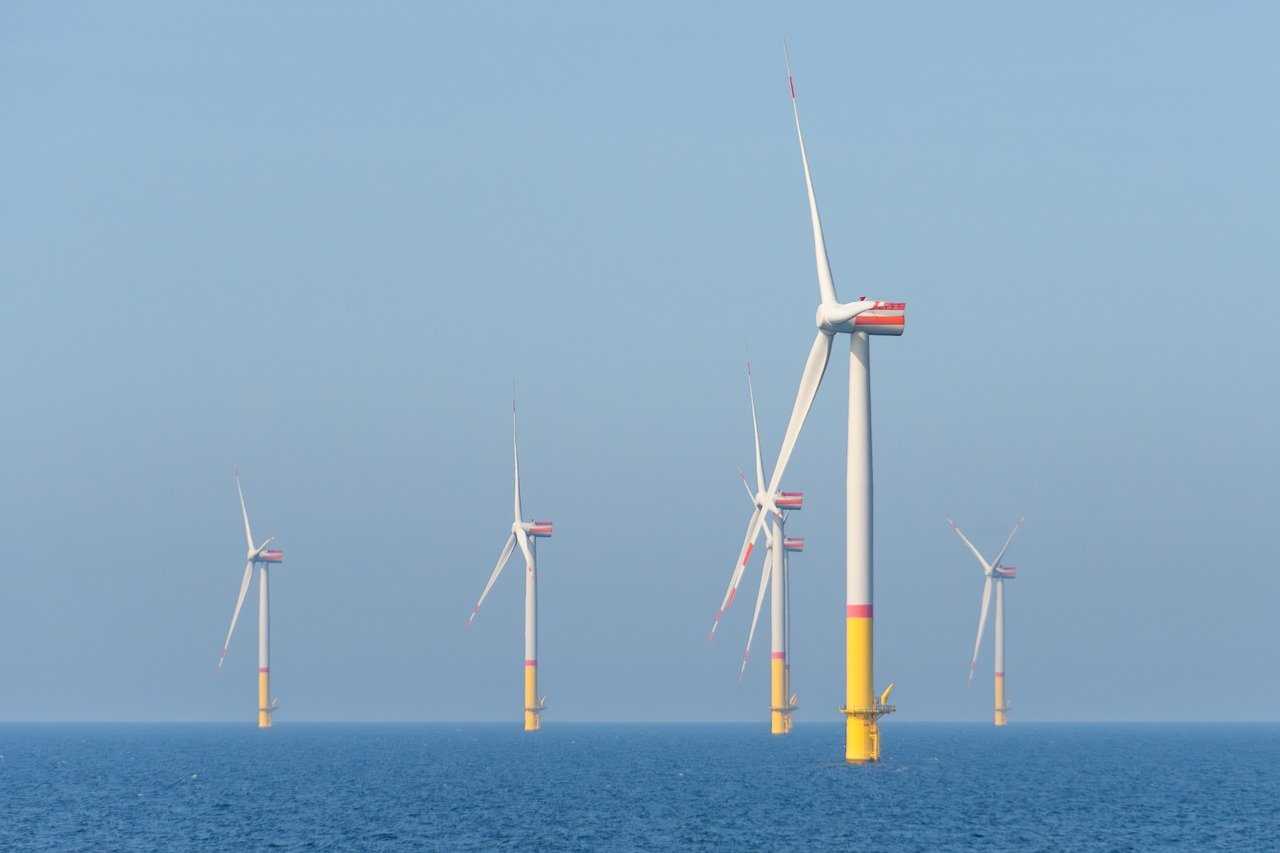
Cutting costs and cutting energy use now go hand in hand. Smart energy choices aren’t just about sustainability anymore they’re about staying lean and competitive. Businesses are realizing that wasted energy is wasted money. Whether it’s installing occupancy sensors or swapping outdated HVAC systems, efficiency pays off.
Thanks to a flood of accessible tech, energy upgrades don’t require deep pockets. AI powered systems can now analyze building usage patterns, optimize lighting and climate settings, even reroute deliveries to save fuel. These tools aren’t futuristic they’re plug and play and increasingly off the shelf.
Governments and utilities are also stepping in to sweeten the deal. From local rebates to national clean energy grants, financial help is expanding fast. For small businesses, these incentives can tip the scales from sticking with old infrastructure to embracing cleaner, cheaper systems.
Energy efficiency isn’t a side project it’s the next competitive edge.
Circular Economy Models are Accelerating
The old model make, use, toss is running on fumes. Consumers are smarter and more value conscious. They want options that don’t feel disposable. Enter the circular economy. Rent, reuse, and recycle aren’t fringe ideas anymore they’re becoming the baseline.
Brands that design for longevity have the edge. Think repairable gear, trade in options, and take back programs that keep products in circulation and customers coming back. These strategies build loyalty and trust because people appreciate businesses that make it easier to waste less.
Small businesses are in a sweet spot. They can pivot quickly, test ideas locally, and respond to customer feedback without layers of corporate red tape. Whether it’s setting up resale loops or running pop up repair events, there’s real opportunity to lead here.
Building circular systems isn’t just good for the planet it’s good business. If you want to start turning waste into revenue and values into loyalty, check out these green business strategies.
ESG Matters to Investors and Customers
If you’re not tracking ESG Environmental, Social, and Governance metrics yet, you’re already behind. What used to be a checkbox for corporate giants is now a gatekeeper for small businesses too.
Lenders, investors, and even suppliers are using ESG benchmarks to decide who gets the deal. Whether you’re applying for a loan, a grant, or trying to lock in a new vendor, they want to see that you’ve got your house in order. That means you’re not just delivering great services or products you’re also thinking about your impact, how you manage risk, and how you treat people.
A well done sustainability report isn’t just fluff it’s a powerful signal. It tells outsiders you’re paying attention. It shows you’ve got systems, goals, and accountability in place. And in a world full of promises, that kind of credibility stands out. For small businesses, it can be the difference between moving forward or getting left behind.
Don’t Wait Act
Sustainability isn’t a trend. It’s a threshold. The days of treating environmental responsibility as a marketing angle are gone. Whether you run a corner shop or a growing ecommerce startup, building a sustainable operation is shifting from bonus to baseline.
Start where you are. Run an energy audit not to impress anyone, but to understand where you’re losing money and wasting resources. Vet your vendors. Can they prove they’re ethical? If not, it’s time to ask hard questions. Carbon tracking may sound technical, but it’s becoming as basic as bookkeeping and there are tools now that make it manageable, even for solopreneurs.
The small adjustments you make today compound over time. Lower costs. Leaner processes. Deeper trust with customers, investors, and partners. Businesses that wait for mandates will scramble. Those that move now will be able to lead. In a market where sustainability sets the pace, adaptation isn’t just smart it’s non negotiable.